Writer Hussain
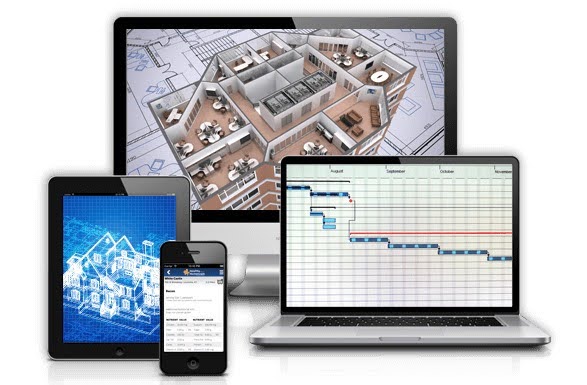
Construction estimates go beyond the calculation of material costs and labor expenses. Contractors need to take into account the equipment costs, project specifications, overhead and market fluctuations. With construction projects, it’s easy to run into budgeting problems with the smallest of errors. It is therefore essential to have organized information and calculations to enable accurate cost planning. Higher levels of detail and careful financial documentation of the construction process are necessary for more complex projects, while basic spreadsheets may be used for smaller projects.
Professional estimating platforms consolidate quantities, pricing and project costs into a single streamlined, digital workflow. Construction project estimating software has the ability to link various kinds of costs and keep the estimate reports in a structured format. Contractors can analyse the project’s breakdowns and view individual cost components, see quantity changes and create detailed projects breakdown. When considering the differences between the two, construction businesses can determine if their estimating process is suitable for their project and operation and choose a method that best suits their needs.
Why Traditional Estimation Methods Fall Short in Modern Construction
Typical estimates are made using spreadsheets, handwritten notes, and price sheets. These techniques are appropriate for smaller operations, while larger operations have many more cost categories and often will require revisions.
The Risks of Relying on Manual Cost Entries
Entry of quantities, rates and calculation in a manual entry involves estimators entering each one by hand. It is important to remember that there can be an impact from an incorrect figure on connected totals. Formulas are important in spreadsheets, too. Errors in cell references can lead to wrong answers, particularly when there are many-line items in your estimates.
Where Simple Construction Budgets Miss Important Expenses
There are basic budgets, which can consist of visible costs only, and there are actual project budgets, which involve indirect costs. Contractors should review:
- Charges for operating, maintenance, and renting of equipment.
- Transportation, delivery, and site preparation.
- Specialist labor and subcontractor costs.
- Permit costs and insurance, as well as administrative overheads.
These costs should be identified in estimates prior to preparing quotations by contractors.
Inside the Workflow of Professional Construction Estimating Systems
Quantities, prices, labor needs, and costs are organized in professional platforms in digital workflows. These records are kept in construction project estimating software. Teams have better consistency in reviewing cost categories across projects.
Connecting Material Quantities With Actual Project Costs
Estimators determine the amount of materials required based on measurements, drawings, and specifications. They then assign prices. Then they price each item. Professional systems display the numbers next to the unit prices.
If measurements are changed, estimators will be able to review quantities and costs that are impacted. Prices and measurements will be checked by the estimator.
Bringing Labor, Equipment, and Overhead Into One Estimate
The material cost is just one of the costs for building. Labor estimates take into account the number of workers, their wages and hours worked. Costs of equipment will vary depending on the length of the rental and usage. Any overhead may be included, such as insurance, administration and general business expenses. These are organized in project estimates by professional platforms. Estimators may take a look at each line item prior to reviewing the total.
What Makes Professional Estimating Different From Basic Cost Calculations?
The difference between the two estimates is the detail of each. Simple calculations generate totals from quantities and prices entered. Professional systems have structured and related cost elements in a regular process.
Construction project estimating software associates measurements, material rates, labor costs and other costs. Accurate information and informed decisions still are critical to estimation of quality.
Precision in Measurements and Cost Breakdown
Accurate measurements from drawings, specifications and project dimensions are the beginning to reliable estimates. Minor variations can impact material needs, and overall costs.
Professional workflows include quantity records and calculations that are structured. Estimators have the ability to sum quantities and find any discrepancies. The separate costs of materials, labour and equipment also provide a financial breakdown of each project.
Handling Multiple Project Requirements Without Losing Cost Visibility
Large projects are made up of multiple activities, subcontractors, and material types. As more details are added, it can be hard to keep separate spreadsheets organized.
An expert system makes use of project sections and cost categories to organize estimates. For a business development, the development may involve structural work, electrical installations, plumbing and finishing.
Managing Estimate Changes Across Different Construction Stages
Quantities, specifications and materials are subject to change as a result of design changes. Market variations can also cause a variation in supplier prices. These changes will need to be taken into consideration by estimators when creating new budgets.
Professional platforms maintain calculations in an organized fashion and might have versions of calculations. Teams can compare previous estimates to the current ones and determine why the costs of the projects have changed.
The Technical Capabilities Behind Modern Estimating Platforms
Today’s platforms put together measurements, calculations, pricing details and reporting. Contractors should relate what they can do with project requirements.
Digital Quantity Takeoffs From Construction Blueprints
Quantity takeoffs are used to quantify materials and parts used from project drawings. Estimators can use special software to measure lengths, areas and volumes on electronic plans. They can then arrange quantities according to the estimate categories that they relate to.
Wall dimensions can be used to determine material quantities, and the floor dimensions can be used to determine quantities of concrete or finishes. Takeoffs are important for project pricing, as they are accurate.
Automated Calculations and Organized Cost Databases
Repetitive entries are minimized with automated calculations. Estimators use quantities, unit rates and formulas in structured cost systems. Still, correct measurements and reliable prices are required to get the results.
Material costs, labour costs and other costs might be included in cost databases. Note that the frequency of updates and regional pricing variations should be taken into account by contractors. Nothing can replace professional judgement or cost verification by software.
Custom Reports for Project-Level Financial Analysis
Reported costs can be itemised, quantity reported, labor reported, etc., and totals for the project. There are also formats that can be customized for clients or internal reviews for some platforms. Groups should verify if the reports are consistent with their reporting needs.
How Estimating Requirements Change Across Construction Projects
There are varying financial needs between residential and commercial projects. Some residential jobs can consist of fewer trades, and some custom projects and renovations can lead to complex estimates. Construction project estimating software should be equivalent to the scope of work, the number and types of materials, the labor requirements and the reporting requirements.
Budget Considerations for Residential Building Projects
Estimates for residential are for foundations, structural materials, roofing, electrical, plumbing and finishes. Quantities and labour requirements may vary in the event of custom features. Additional site preparation, materials, and demolitions are also a part of the renovations. A structured estimate breaks these costs down into distinct categories and documents the thinking behind each expense.
Cost Planning for Commercial and Multi-Phase Developments
Several phases, subcontractors, and purchasing schedules may exist with a commercial project. Estimators determine the cost of structures, mechanical, electrical and finishing. They also track contractor costs, equipment and specialist contractor costs. Consistency is important in large developments because of the many revisions of the document.
Choosing an Estimating Approach That Matches Your Business Needs
When considering the project, the contractor should take into account the size of the project, how often estimating is required and what documentation is necessary. There are various functionalities of professional platforms. Some are dedicated to take-off and calculations, others have reporting, accounting or project management integration.
When Basic Calculations Are Still Practical
Small assignments and assignments with only a few cost categories may be appropriate for a spreadsheet. With proper formula and record-keeping, they are capable of working out simple calculations. But it is the responsibility of users to ensure formulas are correct, prices are up to date and records are kept consistent.
When Professional Estimating Tools Become a Business Requirement
When the number of projects is bigger, contractors will find it helpful to use professional tools. The repeated calculations and detailed documentation need to be done for multiple projects. Construction project estimating software provides a structured manner on quantities, prices and estimates. This is dependent on the complexity of the project, the size of the team and budget.
Factors to Evaluate Before Selecting an Estimating Platform
Do not compare features to real estimating requirements – consider the subscription price.
- Takeoffs, Labor quantities and material pricing.
- Options for reporting and cost summary that can be customised.
- Subscription, licence fees and other charges.
- The ability to connect with accounting and project management systems.
- Scalability, data storage, access and revision control.
Realistic project tasks can be revealed through demonstrations or trials.
Conclusion
Simply creating calculations and using a spreadsheet to keep track of costs is not enough for accurate cost planning. Contractors need to take into account the amount of materials, labour costs, equipment costs, overhead costs and the evolving needs of the project. Construction project estimating software can organize these aspects of a construction project into a structured workflow, enabling companies to create comprehensive estimates and analyze the costs of a project. The best method for estimating will vary depending on the size of the business, the complexity of the project and the requirements of the business. An accurate estimate helps contractors approach the financial aspects of the job with confidence and have better cost information on hand at all phases of construction.
FAQs
How does professional estimating software differ from a spreadsheet?
Quantities, labour, materials and overheads are organised by professional platforms in structured workflows. Typically, more manual calculations and formula management is required in spreadsheets.
What are the qualities that contractors should seek in the estimation of software?
Make a quantity takeoff, material pricing, labor calculations, and reporting tools analysis. Other considerations, such as integration options and cost management of databases, are also important.
Can construction project estimating software handle large commercial projects?
Yes, lots of platforms have numerous trades, in-depth price categories, and complicated estimates for projects. The capabilities rely on the capabilities of the software and how it’s configured.
Does it make sense for little contractors to use professional estimating software?
Yes, small contractors can utilize expert systems for accurate estimates, as well as expense tracking. It is a selection of the right choice depending on the size of your project, budget and business requirements.