Ellen Editorial Team
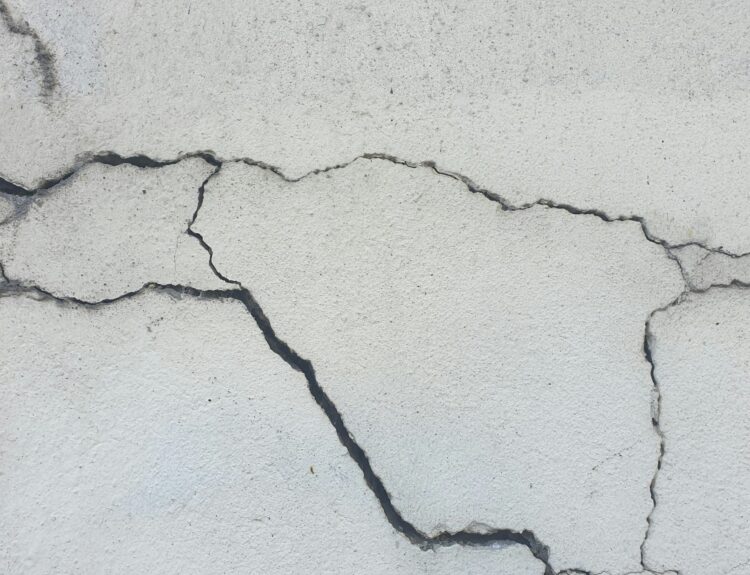
You walk into the living room one morning and notice a thin line running across the wall that wasn’t there last month. Most people feel a small jolt of panic. Is the house falling apart? Do I need a structural engineer? Honestly, in most cases the answer is no. But some cracks do deserve attention, so it helps to know the difference.
Why walls crack in the first place
Houses are never completely still. Wood swells when the air is damp and shrinks when it’s dry. Concrete and plaster move a little with temperature. The ground under your home shifts too, even if you can’t see it. Walls are the part of the house where all that movement finally shows up.
The most common causes
1. Normal settling. A new home settles into the soil during its first few years. Small hairline cracks, usually near doors, windows, and ceiling corners, are very common and rarely a problem.
2. Temperature and humidity changes. Materials expand in summer heat and contract in cold, dry winters. Repeat that for a few years and the paint or plaster eventually splits along the weakest line.
3. Poor drywall or plaster work. If joints were not taped or sanded properly, or the plaster dried too fast, cracks can appear within months of finishing. You often see these as straight lines along seams.
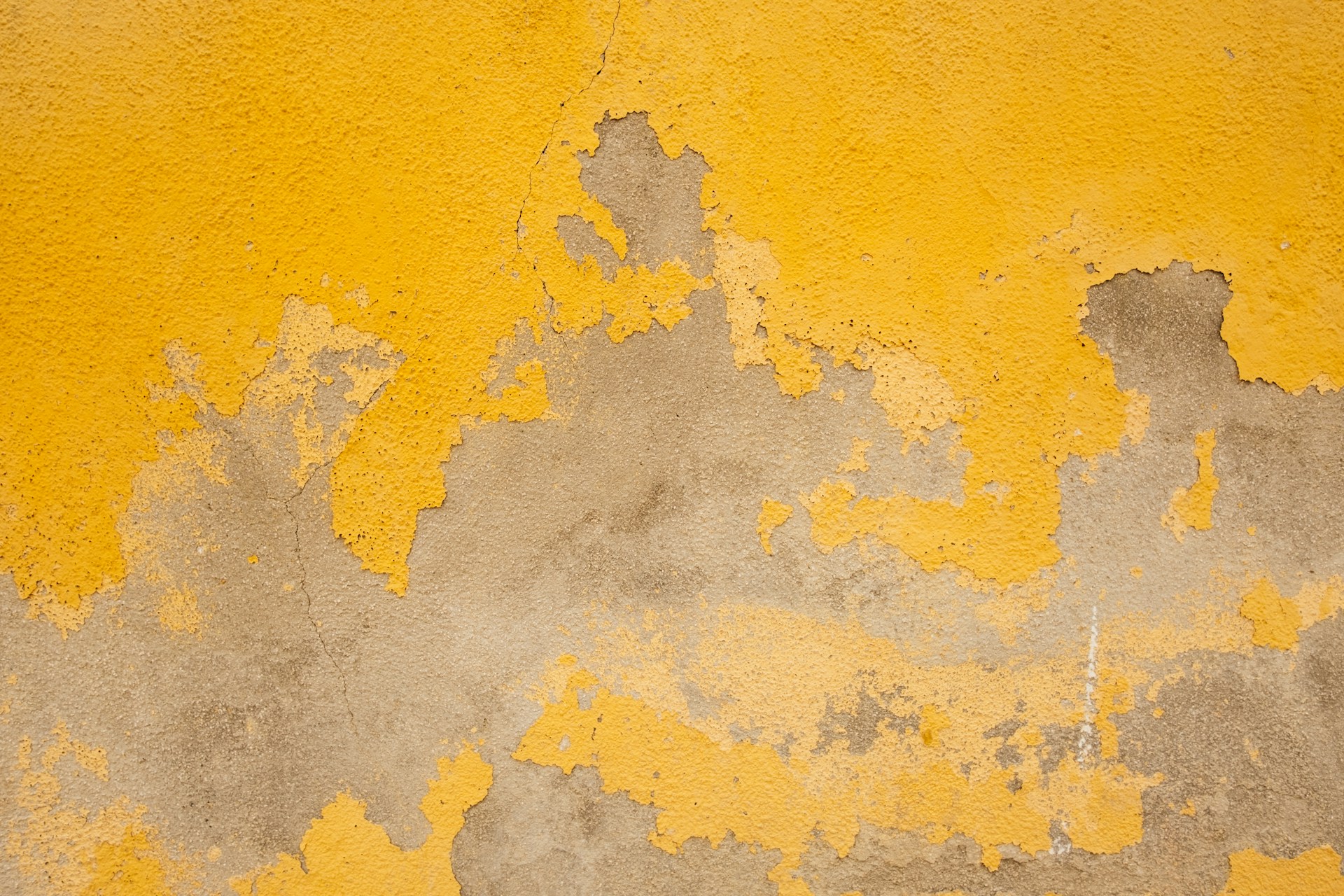
4. Water and moisture. A leaking pipe, a damp basement, or a roof leak softens the material behind the wall. Cracks combined with stains, bubbling paint, or a musty smell point to moisture, and it should be fixed quickly.
5. Foundation movement. This is the serious one. Clay soil that swells and shrinks, nearby tree roots, poor drainage, or heavy rain can move the foundation unevenly, and the walls crack as a result.
6. Vibration and nearby construction. Heavy traffic, drilling next door, or road work can slowly open up weak spots in older walls.
Which cracks are harmless and which are not
Usually fine:
- Hairline cracks thinner than a credit card edge
- Cracks at the corners of doors and windows
- Cracks along drywall tape seams
- Cracks that haven’t changed in months
Worth checking:
- Cracks wider than about 5 mm (a quarter inch)
- Stair-step cracks in brick or block walls
- Horizontal cracks, especially in basement walls
- Cracks that keep growing
- Doors or windows that suddenly stick or won’t close
- Floors that slope or feel uneven
- Cracks with water stains or dampness
A simple way to track a crack
Take a pencil and mark both ends of the crack with a small line and the date. Take a photo with a coin next to it for size. Check again after a month or two. If nothing has changed, it’s most likely cosmetic. If it has grown, call a professional.
What to do next
For small cosmetic cracks, you can repair them yourself with flexible filler, a bit of sanding, and fresh paint. It’s a one-afternoon job and costs very little. Use a flexible, paintable caulk rather than hard filler, otherwise the crack tends to come back.
For anything wide, growing, or tied to water, don’t just cover it up. Find the cause first. Painting over a moisture problem only hides it for a few weeks.
Can you stop cracks from coming back?
You can reduce the chances:
- Keep indoor humidity steady, ideally between 30 and 50 percent
- Fix leaks early
- Make sure water drains away from your foundation
- Don’t plant large trees too close to the house
- Use quality materials when you renovate
The bottom line
A crack in the wall looks scary but it’s usually just your house adjusting to its surroundings. Watch it, measure it, and only worry when it’s wide, growing, or comes with other warning signs. When in doubt, a quick visit from a structural engineer costs far less than ignoring a real problem.