Ellen Editorial Team

Improving your home does not always require a major renovation or a large budget. Small upgrades and well-planned projects can make your living space more comfortable, attractive, and functional.
Whether you want to update an outdated room, improve energy efficiency, increase storage, or prepare your property for future resale, there are many home improvement projects worth considering.
The best improvements are those that solve everyday problems while making your home easier to maintain.
Here are 20 practical home improvement ideas to help you get started.
1. Give Your Walls a Fresh Coat of Paint
Painting is one of the simplest ways to refresh your home. New paint can make rooms look brighter, cleaner, and more modern.
Choose neutral colors such as white, beige, or light gray for a timeless appearance. Make sure walls are properly cleaned and repaired before applying paint.
2. Upgrade Your Kitchen
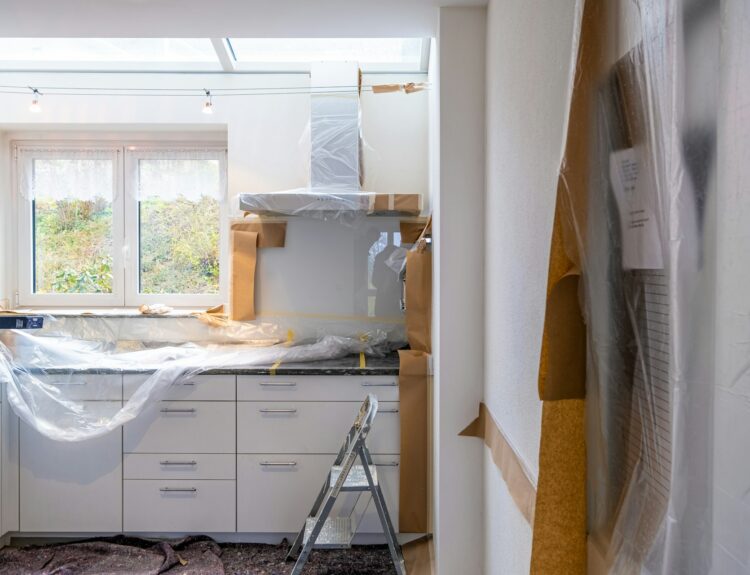
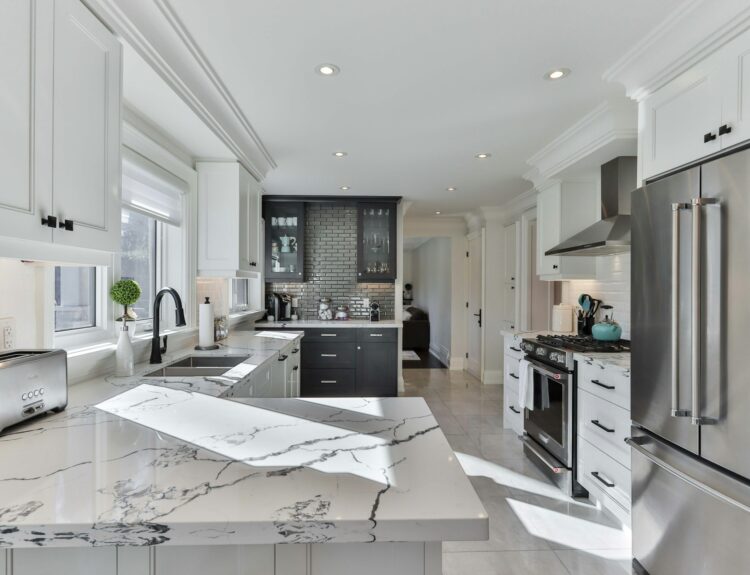
The kitchen is one of the most frequently used areas of a home. Updating cabinets, countertops, lighting, or backsplashes can improve its appearance and functionality.
If your budget is limited, consider replacing cabinet handles, installing a new faucet, or adding better storage.
3. Remodel Your Bathroom
A bathroom upgrade can make everyday routines more comfortable. Consider installing a modern vanity, replacing old fixtures, improving ventilation, or updating the shower area.
Focus on waterproofing and proper plumbing before choosing decorative finishes.
4. Replace Old Windows
Old or poorly sealed windows can allow drafts and reduce indoor comfort.
Modern energy-efficient windows may help improve insulation and reduce heating and cooling demands. Check frame condition, glass type, and installation quality before choosing replacements.
5. Improve Your Home’s Lighting
Good lighting can change how a room looks and feels. Replace outdated fixtures with modern options and add task lighting where needed.
Use a combination of ambient, task, and accent lighting to create a comfortable environment.
6. Install New Flooring
Worn flooring can make an otherwise attractive home look outdated.
Consider hardwood, laminate, luxury vinyl plank, or tile depending on the room and your budget. Choose materials that can handle the moisture and daily activity in each space.
7. Improve Your Home’s Insulation
Proper insulation helps maintain comfortable indoor temperatures throughout the year.
Start by checking the attic, exterior walls, and crawl space. Sealing air leaks around windows, doors, and other openings can also improve comfort.
8. Create More Storage Space
A well-organized home is easier to maintain. Add built-in shelves, closet organizers, garage storage systems, or cabinets under stairs.
Use vertical space to increase storage without taking up valuable floor area.
9. Upgrade Your Front Door
Your front door contributes to both curb appeal and home security.
Consider replacing an old door with a durable, energy-efficient model. You can also refresh an existing door with new hardware and suitable exterior paint.
10. Improve Your Outdoor Landscaping
A neat outdoor space can make your property more attractive.
Plant suitable flowers, maintain the lawn, add garden pathways, and trim overgrown trees and shrubs. Choose plants that match your local climate and maintenance preferences.
11. Install a Modern Ceiling Fan
Ceiling fans help circulate indoor air and improve comfort in many rooms.
Choose the correct fan size for your room and make sure it is installed securely. Some models also include integrated lighting and remote controls.
12. Upgrade Your Bathroom Ventilation
Bathrooms produce moisture from showers and baths. Without proper ventilation, excess humidity can contribute to mold and surface damage.
Install an appropriately sized exhaust fan that vents outdoors. Clean it regularly to maintain proper airflow.
13. Repair or Replace Your Roof
A damaged roof can lead to water leaks, insulation problems, and interior damage.
Inspect your roof for missing shingles, damaged flashing, and signs of water intrusion. Address minor problems early and consult a qualified roofing professional when necessary.
14. Make Your Home More Energy Efficient
Energy-efficient upgrades can help reduce unnecessary energy consumption.
Consider LED lighting, improved insulation, smart thermostats, efficient appliances, and sealing air leaks. Start with the changes that offer the greatest practical benefit for your household.
15. Update Your Garage
Your garage can provide more than parking space. Add wall-mounted storage, sturdy shelving, and organized tool cabinets.
If the garage is used as a workspace, consider improving lighting and ventilation.
16. Create a Functional Home Office
A comfortable home office can make working from home easier.
Choose a quiet location, add a suitable desk, install proper lighting, and organize cables. Make sure the chair and desk support a comfortable working position.
17. Improve Your Basement
If your home has a basement, you may be able to turn it into a useful living or storage area.
Before adding furniture or finishing walls, check for moisture, drainage problems, and any signs of water intrusion. Address these issues first.
18. Install Smart Home Features
Smart home technology can improve convenience and help manage household systems.
Consider smart thermostats, video doorbells, smart lighting, and programmable controls. Choose compatible devices and secure them with strong passwords and updated software.
19. Improve Your Driveway and Walkways
Cracked driveways and uneven walkways can affect both appearance and safety.
Repair damaged surfaces, improve drainage, and keep walking areas clear. Consider suitable paving materials that complement your home’s exterior.
20. Upgrade Your Home’s Exterior
The exterior of your house creates the first impression for visitors and potential buyers.
Fresh exterior paint, clean siding, updated outdoor lighting, maintained gutters, and attractive landscaping can make a noticeable difference.
How to Choose the Best Home Improvement Projects
Before starting any project, consider your budget, household needs, and the current condition of your property.
Follow these simple steps:
- Identify the areas that need immediate attention.
- Separate necessary repairs from cosmetic upgrades.
- Research material and labor costs.
- Compare professional estimates when hiring contractors.
- Check local building permits and regulations.
- Keep extra funds available for unexpected repairs.
It is also wise to prioritize projects involving safety, water damage, roofing, electrical systems, and structural problems before decorative improvements.
Final Thoughts
Home improvement projects can make your property more comfortable, attractive, and practical. From repainting walls and upgrading kitchens to improving insulation and repairing roofs, there are many ways to make meaningful changes.
You do not need to complete everything at once. Start with the improvements that matter most, plan your spending carefully, and choose durable materials that suit your home.
With the right approach, even small upgrades can make everyday living better.