Ellen Editorial Team
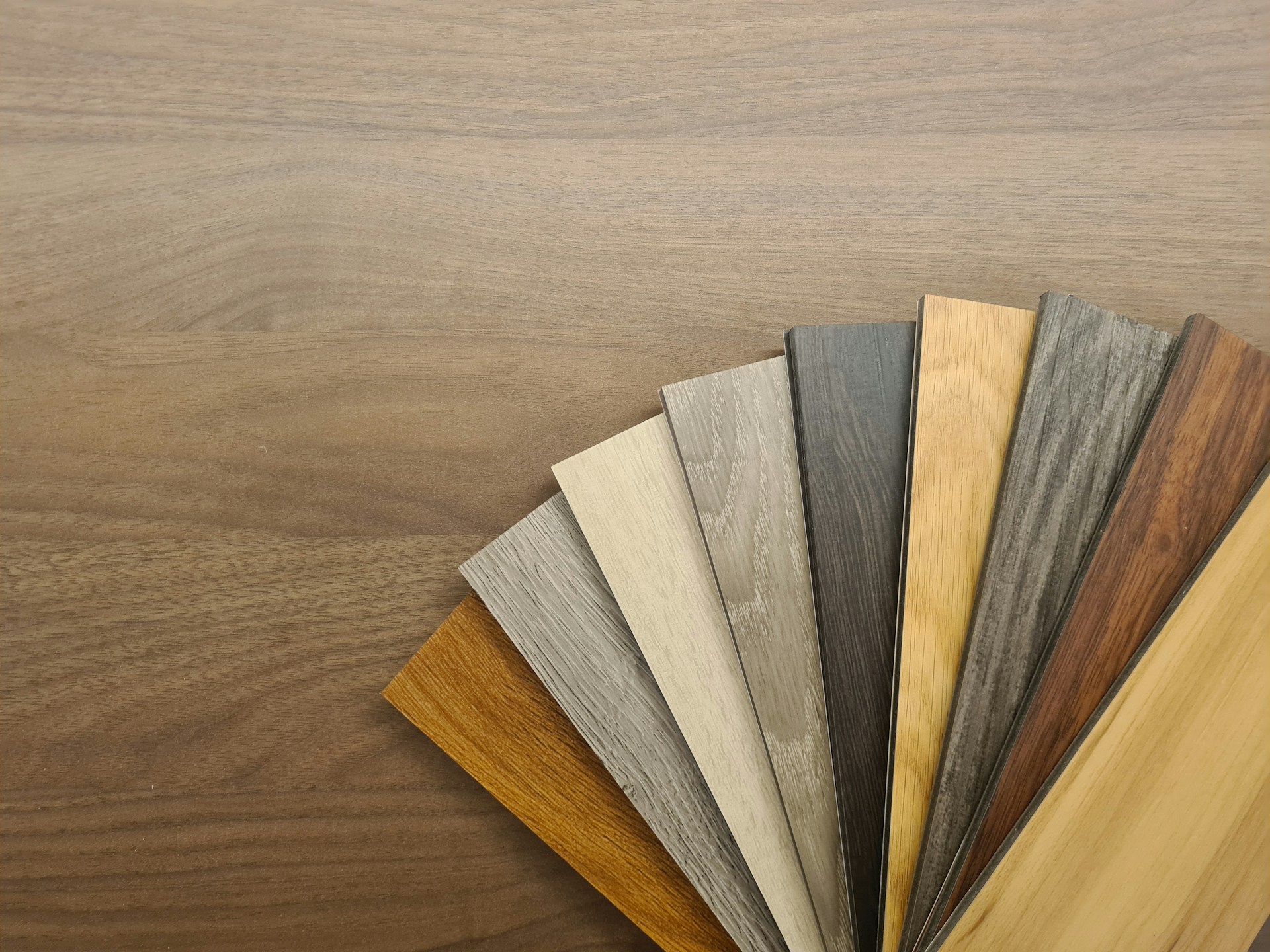
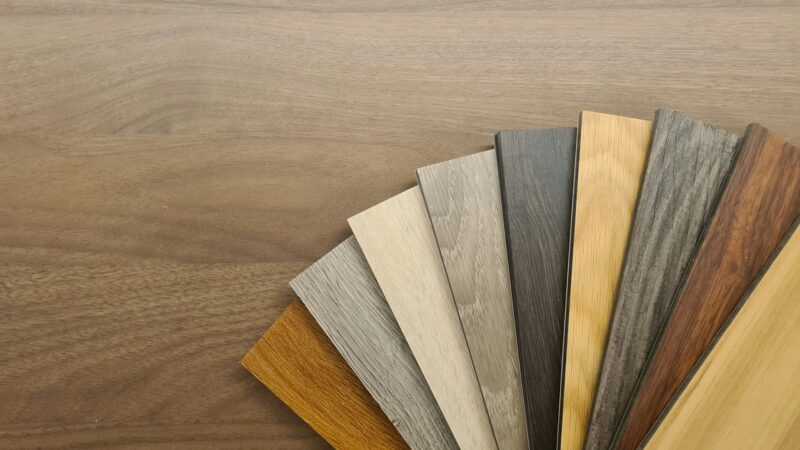
You walk into a flooring store, and within five minutes everything starts looking the same. Wood-look planks in every shade of oak, all promising to be tough, affordable, and easy to install. Two names keep coming up: vinyl plank and laminate. They look alike, they’re priced alike, and the salespeople tend to say both are “great.” So which one is actually better for your home?
The honest answer is that it depends on the room, your budget, and how you live. Let’s break it down.
What is vinyl plank flooring?
Vinyl plank (often called LVP, luxury vinyl plank) is made from layers of PVC with a printed wood-look image on top and a clear protective coating over it. It’s flexible, thin, and completely synthetic. Some versions are rigid-core (SPC or WPC), which feel firmer underfoot and are a bit easier to install on slightly uneven floors.
What is laminate flooring?
Laminate has a core made of compressed wood fibre (high-density fibreboard). On top sits a photographic layer printed to look like wood or stone, sealed under a hard wear layer. It’s a wood product at heart, just not solid wood.
Water resistance: the biggest difference
This is where the two really split.
Vinyl plank is waterproof. Spills, mopping, even a minor leak won’t damage it. That makes it a natural choice for kitchens, bathrooms, laundry rooms, and basements.
Laminate is water-resistant at best. Because the core is wood fibre, standing water gets into the seams and makes the boards swell and warp. Once that happens, you can’t fix it, only replace the damaged planks. Newer “water-resistant” laminates handle spills better, but I wouldn’t trust any laminate in a bathroom or a damp basement.
If you have kids, pets, or a house that gets humid, this point alone may decide it for you.
Look and feel
Laminate usually wins on realism. The surface is harder and often has a convincing texture, so it can look and feel closer to real wood. It also feels solid underfoot.
Vinyl has improved a lot in the last few years, and good quality planks look very natural. But cheaper vinyl can look a little plasticky, especially under bright light. It’s also softer and slightly warmer to walk on, which many people actually prefer.
Durability and scratches
Laminate is hard and resists scratches and dents from daily wear pretty well. But when it does get damaged, such as a chip from a dropped pan, it’s difficult to hide.
Vinyl is softer, so it can dent under heavy furniture, and sharp objects can scratch or cut it. On the other hand, it handles moisture and pet accidents much better, and its flexibility means it tolerates minor impacts without chipping.
For high-traffic homes with dogs and kids, both work, but it comes down to whether you worry more about scratches (laminate holds up better) or water (vinyl wins).
Comfort and sound
Vinyl is quieter and softer underfoot. Laminate can sound hollow and clicky unless you use a good underlayment. If you live in an apartment or have bedrooms above living space, noise is worth thinking about. Many laminates and vinyl planks come with attached underlay, which helps.
Installation
Both are popular DIY options. They click together and float over the subfloor, with no glue or nails in most cases.
Vinyl plank is easy to cut with a utility knife. It’s more forgiving and adapts to slightly uneven floors, especially the rigid-core types.
Laminate needs a saw to cut and a flatter subfloor. It’s a bit less forgiving, but it’s still a manageable weekend job.
For either, leave a small expansion gap around the edges, because floors expand and contract with temperature.
Cost
Prices vary by brand and thickness, but in general:
- Laminate is often a little cheaper per square foot at the budget end
- Vinyl plank covers a wide range, with premium options costing more
- Installation costs are similar if you hire a pro
Don’t pick purely on price. A cheaper floor that gets ruined by a leak costs more in the end.
Lifespan and resale value
Good laminate typically lasts around 15 to 25 years in dry rooms. Quality vinyl plank lasts about 15 to 25 years too, and often more in moisture-heavy areas where laminate wouldn’t survive at all.
Buyers generally like both, as long as the floor looks fresh. Neither adds the value of real hardwood, but both are seen as a solid, modern choice.
Which one for which room?
Choose vinyl plank for:
- Kitchens
- Bathrooms
- Laundry rooms
- Basements
- Homes with pets or young children
- Humid climates
Choose laminate for:
- Living rooms
- Bedrooms
- Hallways and offices
- Dry areas where you want a more solid, wood-like feel
The quick verdict
If there’s any chance of water, go with vinyl. If the room stays dry and you want the most wood-like look and feel for your money, laminate is a great pick. And if you can’t decide, plenty of homes use both, with laminate in the dry rooms and vinyl in the wet ones.
Whichever you choose, order a few samples, put them in the room, and look at them in morning and evening light. A floor that looks perfect in the store can feel very different in your own home.