Ellen Editorial Team
Introduction
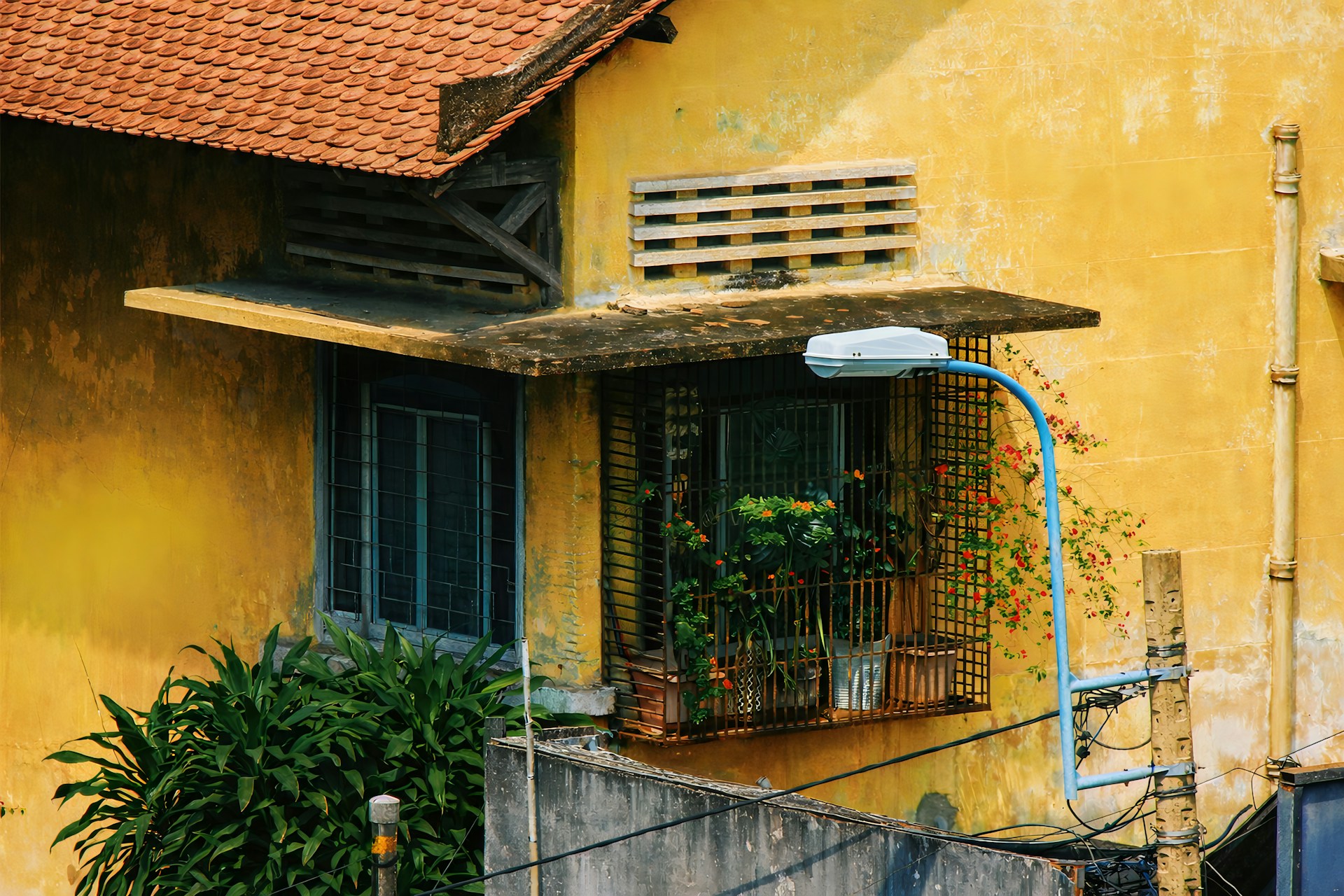
Renovating an older home can be an exciting opportunity to improve comfort, safety, functionality, and property value. However, deciding where to begin is not always easy. Older properties may have outdated electrical systems, plumbing problems, roof damage, poor insulation, or structural issues that need attention before cosmetic improvements.
Understanding what to renovate first in an older home can help you avoid unnecessary expenses and make better renovation decisions. Instead of immediately updating kitchens, bathrooms, or flooring, homeowners should first inspect the property’s condition and identify problems that could become more expensive over time.
In this guide, we will explain the most important renovation priorities, how to plan your budget, and which improvements should generally come before decorative upgrades.
1. Start With a Complete Home Inspection
Before beginning any renovation, arrange a thorough inspection of the property. An older home may contain hidden problems that are difficult to identify through a simple visual examination.
Pay attention to:
- Foundation cracks and structural movement
- Roof leaks and damaged roofing materials
- Water damage and damp walls
- Outdated electrical wiring
- Plumbing leaks and drainage problems
- Poor ventilation
- Damaged windows and doors
- Signs of pests or wood deterioration
Consider hiring qualified professionals to inspect structural, electrical, plumbing, and other safety-related systems.
A professional inspection helps you understand which repairs are urgent and which improvements can wait.
2. Fix Structural Problems First
Structural stability should be one of the highest priorities when renovating an older property.
Check the foundation, supporting walls, floors, ceilings, and roof structure for signs of damage. Large or expanding cracks, uneven floors, sagging ceilings, and doors that suddenly stop closing properly may indicate underlying problems.
Not every crack is structural, but serious warning signs should be evaluated by a qualified structural professional.
Repairing structural issues before cosmetic work helps protect the property and prevents damage to newly renovated surfaces.
3. Repair the Roof and Address Water Leaks
A damaged roof can cause significant problems throughout an older home. Water entering through damaged roofing materials can affect ceilings, insulation, walls, electrical systems, and wooden structures.
Inspect the roof for:
- Missing or broken shingles
- Damaged flashing
- Loose roofing materials
- Blocked gutters
- Signs of water penetration
- Rotting roof components
Also check the attic and ceilings for water stains or damp areas.
Repair roof leaks and identify their source before installing new ceilings, repainting walls, or replacing flooring. Otherwise, the same damage may return after renovation.
4. Upgrade Outdated Electrical Systems
Electrical safety is particularly important in older homes. Some properties still have outdated wiring, overloaded circuits, damaged outlets, or electrical panels that may not meet current requirements.
Warning signs can include frequently tripping breakers, flickering lights, warm outlets, damaged cables, or burning smells.
Have a qualified electrician assess the electrical system before making major improvements.
Depending on the inspection, upgrades may include replacing unsafe wiring, improving circuit protection, installing suitable outlets, and updating the electrical panel.
Never attempt complicated electrical repairs without the required professional qualifications.
5. Check Plumbing and Drainage Systems
Old plumbing can cause leaks, low water pressure, poor drainage, and water damage.
Inspect visible pipes, faucets, water heaters, toilets, drains, and connections for signs of corrosion, leakage, or deterioration.
Pay special attention to areas under sinks, around bathrooms, and near kitchen appliances.
A qualified plumber can determine whether repairs or partial replacement are necessary. Addressing plumbing issues early can prevent expensive damage to walls, floors, and cabinets.
6. Improve Insulation and Ventilation
Older homes may have inadequate insulation and poor ventilation, making indoor spaces uncomfortable throughout the year.
Insulation improvements can help maintain indoor temperatures and potentially reduce heating and cooling expenses.
Consider checking:
- Attic insulation
- Exterior wall insulation
- Window and door gaps
- Roof ventilation
- Bathroom exhaust fans
- Kitchen ventilation
Proper ventilation is also important for managing moisture and reducing condensation.
Choose insulation materials and ventilation solutions that suit your property’s construction and local climate.
7. Replace or Repair Old Windows and Doors
Windows and doors contribute to home security, comfort, ventilation, and energy efficiency.
Older windows may have damaged frames, broken seals, or poor insulation. Doors may become difficult to close because of worn hardware or changes in the building structure.
Depending on their condition, you can repair frames, replace damaged seals, update locks, or install more efficient windows and doors.
Before replacing windows, check whether the existing frames can be repaired. A professional assessment can help you compare repair and replacement costs.
8. Renovate Bathrooms After Essential Repairs
Once major safety and maintenance problems have been addressed, bathroom renovation can become a practical next step.
Older bathrooms may have damaged tiles, outdated fixtures, poor ventilation, leaking pipes, or insufficient storage.
Consider improvements such as:
- Replacing damaged tiles
- Updating faucets and shower fixtures
- Improving bathroom lighting
- Installing better ventilation
- Updating vanities and storage
- Repairing waterproofing problems
Waterproofing and plumbing should be checked before installing new tiles or bathroom fixtures.
Choose durable, moisture-resistant materials that are easy to maintain.
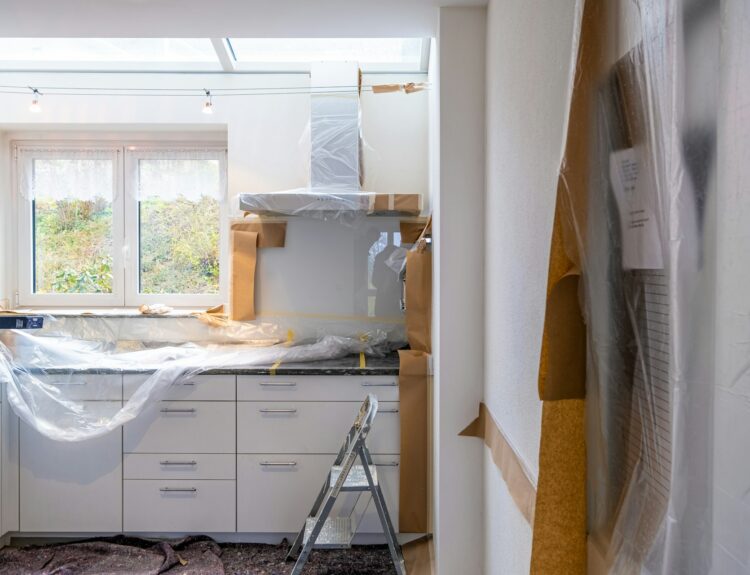
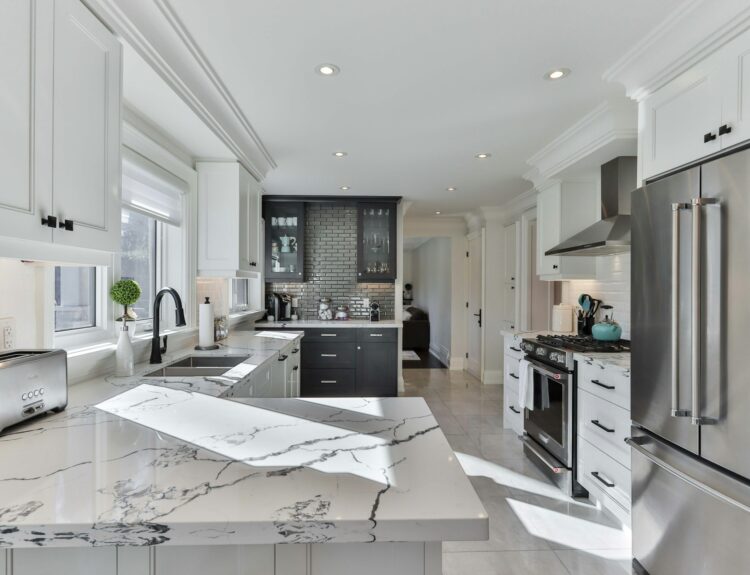
9. Update the Kitchen for Better Functionality
Kitchen renovation can improve the appearance and usability of an older home.
However, avoid installing expensive cabinets and countertops before checking plumbing, electrical connections, ventilation, and water damage.
Once these essential systems are in good condition, consider upgrading cabinets, countertops, lighting, flooring, appliances, and storage.
If your budget is limited, smaller improvements such as repainting cabinets, replacing handles, adding organizers, and improving lighting can make a noticeable difference.
10. Repair Flooring, Walls, and Ceilings
After structural, roof, plumbing, and electrical issues have been addressed, focus on interior surfaces.
Older homes may have damaged flooring, cracked plaster, peeling paint, or uneven ceilings.
Before installing new flooring or applying fresh paint, make sure the surfaces are dry and the underlying problems have been repaired.
Choose flooring according to the room’s purpose, expected foot traffic, moisture exposure, and maintenance requirements.
For older properties, check for potentially hazardous materials such as asbestos or lead-based paint before disturbing existing surfaces. Testing and safe removal should be handled according to local regulations by qualified professionals.
11. Improve Heating, Cooling, and Energy Efficiency
Older heating and cooling systems may operate inefficiently or fail to provide consistent indoor comfort.
Have existing equipment inspected and maintained before deciding whether replacement is necessary.
Other useful improvements include:
- Sealing air leaks
- Installing suitable insulation
- Improving ventilation
- Using energy-efficient lighting
- Choosing efficient appliances
- Installing programmable thermostats where suitable
Prioritize improvements based on your home’s actual energy problems rather than replacing equipment unnecessarily.
12. Refresh the Exterior and Landscaping
Once essential repairs and interior upgrades are complete, improve the exterior appearance of the property.
Exterior maintenance can include repairing damaged siding, repainting surfaces, cleaning gutters, fixing pathways, maintaining fences, and improving landscaping.
Check drainage around the property to make sure rainwater flows away from the foundation.
Simple improvements such as fresh exterior paint, attractive entrance lighting, healthy plants, and a well-maintained walkway can make an older home look more welcoming.
What Should You Renovate First in an Older Home?
The best renovation order depends on the property’s condition. However, the following priority list provides a useful starting point.
| Priority | Renovation Area | Main Reason |
|---|---|---|
| 1 | Home inspection | Identify hidden problems |
| 2 | Structural repairs | Protect building stability |
| 3 | Roof and water leaks | Prevent moisture damage |
| 4 | Electrical systems | Improve safety |
| 5 | Plumbing and drainage | Prevent leaks and damage |
| 6 | Insulation and ventilation | Improve indoor comfort |
| 7 | Windows and doors | Improve security and efficiency |
| 8 | Bathrooms and kitchens | Improve functionality |
| 9 | Flooring and painting | Refresh interior appearance |
| 10 | Exterior and landscaping | Improve curb appeal |
This is a general sequence, not a fixed rule. If an inspection identifies an immediate safety hazard, that issue should receive priority.
How to Budget for an Older Home Renovation
Renovating an older property can involve unexpected expenses, especially when hidden problems are discovered during construction.
Create a budget that includes:
- Inspection and professional fees
- Structural and safety repairs
- Roofing and plumbing materials
- Electrical upgrades
- Labor costs
- Interior and exterior finishes
- Permits and approvals where required
- Unexpected repair expenses
Obtain multiple written estimates for major work and compare the materials, labor, warranties, and project timelines.
Keep a contingency fund to manage unexpected repairs without interrupting essential work.
Conclusion
Knowing what to renovate first in an older home can help you protect your investment and avoid expensive mistakes. Begin with a complete inspection, address structural problems, repair the roof, and make sure electrical and plumbing systems are safe and functional.
After essential repairs are complete, focus on insulation, windows, bathrooms, kitchens, flooring, and exterior improvements. Following a sensible renovation order makes it easier to manage your budget and complete projects successfully.
Remember that every older home is different. Professional inspections, realistic planning, and quality repairs will help you create a safer, more comfortable, and more attractive living space.
Frequently Asked Questions
1. What should I renovate first in an older home?
Start with a professional inspection and address structural problems, roof leaks, electrical hazards, plumbing issues, and water damage. Cosmetic improvements should generally come afterward.
2. Is it better to renovate the kitchen or bathroom first?
It depends on their condition. If either room has leaking plumbing, damaged waterproofing, or electrical safety problems, address those issues first. Otherwise, prioritize the room that has the greatest functional need.
3. How do I know if an older home needs electrical upgrades?
Warning signs include frequently tripping breakers, flickering lights, damaged wiring, warm outlets, and burning smells. A qualified electrician should inspect the system and recommend necessary repairs.
4. Should I replace old windows during a home renovation?
Not always. Some older windows can be repaired by replacing damaged seals, frames, or hardware. Replacement may be appropriate when windows are severely damaged or cannot provide suitable performance.
5. How much should I budget for renovating an older home?
Costs depend on the property’s age, condition, location, materials, labor, and renovation scope. Obtain professional estimates and keep additional funds available for unexpected problems.
6. Can I live in my home while renovating it?
Yes, depending on the project’s size and location. However, major electrical, plumbing, structural, or whole-house renovations may require temporary alternative accommodation for safety and convenience.
7. Do older homes need insulation upgrades?
Some older homes have insufficient insulation or air leaks. An energy assessment can help identify where improvements may increase comfort and reduce energy consumption.
8. Should I paint an older home before repairing it?
No. Repair roof leaks, moisture problems, damaged plaster, and other underlying issues before painting. Otherwise, the new finish may deteriorate quickly.